
Finishing details influence how an invitation is seen, touched, opened and remembered. They may add shine, texture, color, organization or a sense of ceremony—but they should always support the design rather than compete with it.
An invitation does not need every available embellishment to feel elevated. Beautiful paper, strong typography and one carefully selected finish can be more effective than several unrelated upgrades. We help you choose the details that create the greatest impact for the design and investment.
Begin With the Printing Method
Printing is both a production decision and a visible design element. It affects color, texture, paper selection, timeline and price.

digital printing
Investment level: $ – Most accessible
Digital printing is versatile and well suited to full-color artwork, watercolor, photographs, fine gradients and designs using several colors. Because it does not require a separate plate for every color, it is generally the most economical and flexible printing method.
Digital printing is often the starting point for our Curated invitation suites and can still feel highly refined when paired with quality paper, thoughtful typography and intentional design.
white ink printing
Investment level: $$ – Specialty upgrade
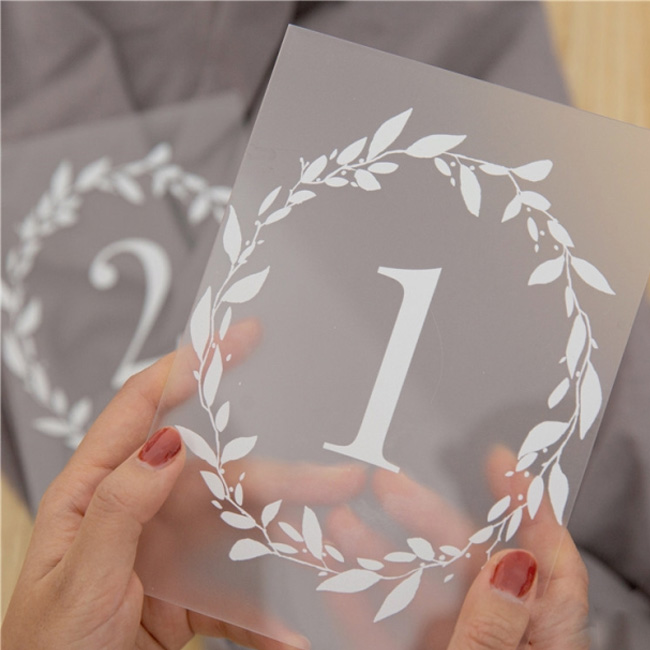
White ink creates crisp contrast on dark, saturated or colored papers and envelopes. It works especially well for typography, monograms, line drawings and minimal artwork on colors such as black, navy, forest, burgundy and deep blue.
White ink requires specialized equipment and is priced above standard digital printing. Paper selection, print coverage and opacity can affect the final appearance and cost. Dark envelopes printed with white ink may also require additional mailing consideration.

thermography
Investment level: $$ – Specialty upgrade
Thermography creates raised lettering with a smooth, dimensional surface. It offers a formal and tactile appearance without pressing into the paper and works especially well for typography-led invitations.
It is generally more accessible than engraving while providing a noticeable raised finish. Pricing increases when additional ink colors or multiple cards within the suite receive raised printing.

enhanced foil
Investment level: $$ – Specialty upgrade
Enhanced raised foil combines digital printing with a dimensional foil finish. A raised polymer layer is applied to selected parts of the design, followed by metallic or matte foil. The result has noticeable shine and texture without requiring the custom metal die used for traditional foil stamping.
Enhanced foil is generally more accessible than traditional foil and works well for names, monograms, borders and other selected details. It is available in a more limited range of colors, papers and formats. Pricing depends on the amount of foil coverage and whether foil is applied to one or both sides.
letterpress
Investment level: $$$ – Premium specialty printing
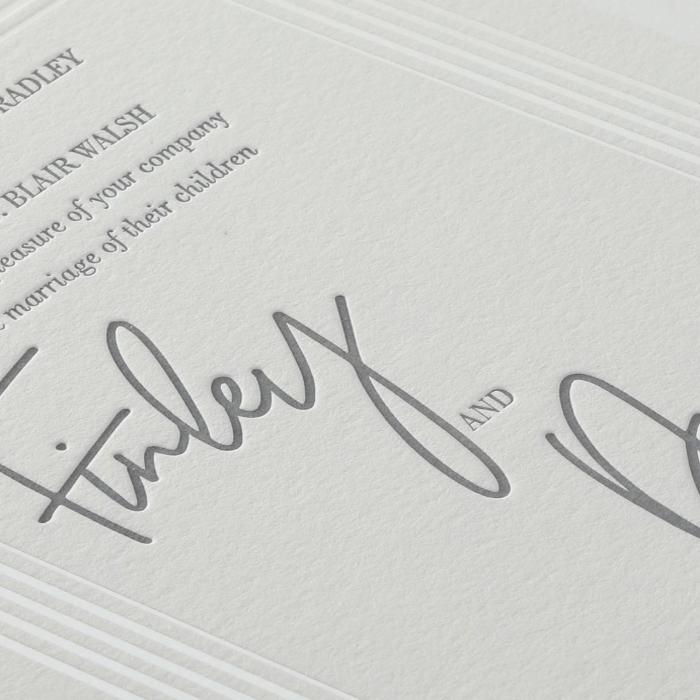
Letterpress presses the design into the paper, creating a visible and tactile impression. It is especially beautiful on soft cotton stock and is often used for classic typography, fine linework, monograms and restrained artwork.
Letterpress requires a custom printing plate and a separate press setup for each color. A one-color invitation is the most accessible way to incorporate letterpress. Additional colors, double-thick paper and letterpress printing on multiple suite pieces increase the investment.

foil stamping
Investment level: $$$ – Premium specialty printing
Traditional foil stamping uses heat, pressure and a custom metal die to press metallic, matte or specialty foil into the paper. It creates a crisp, opaque finish that reflects light differently from printed ink and may leave a subtle impression in the paper.
Foil may highlight the couple’s names, a border, crest, pattern or another selected detail. Each foil color requires its own die and production setup. Traditional foil may also be combined with digital printing, letterpress or embossing when the design and paper allow.

embossing
Investment level: $$$ – Premium specialty finish
Embossing uses custom dies to raise selected parts of the paper above its surface. It is often produced without ink or foil, known as blind embossing, allowing the texture and dimension of the paper to become the design. Names, monograms, crests, borders and architectural details can all be embossed. The effect is understated, tactile and particularly beautiful on substantial papers. Embossing may also be combined with foil to create a raised metallic detail.
Because embossing requires custom dies and specialized production, it is quoted individually. Larger embossed areas, sculpted designs, registered printing and foil combinations require a higher investment.
engraving
Investment level: $$$$ – Highest investment
Engraving is one of the most traditional and refined stationery printing methods. The design is etched into a custom die, filled with ink and pressed into the paper under significant pressure. This produces exceptionally crisp, raised lettering on the front and a subtle impression on the reverse.
Engraving is particularly suited to formal typography, fine linework and light-colored ink on dark paper. Because it requires specialized dies, extensive setup and artisan production, it represents the highest printing commitment and is quoted individually.
Combining Printing Methods
More than one process may be used within the same invitation. For example, a digitally printed watercolor design may include traditional or enhanced foil names, while a letterpress invitation may be paired with digitally printed enclosure cards.
Combining methods allows specialty printing to appear where it will make the greatest visual difference while keeping the remaining suite more practical. Each additional process, print color and specialty-printed piece adds to the production cost and timeline.
Ribbon, Belly Bands and Wax Seals
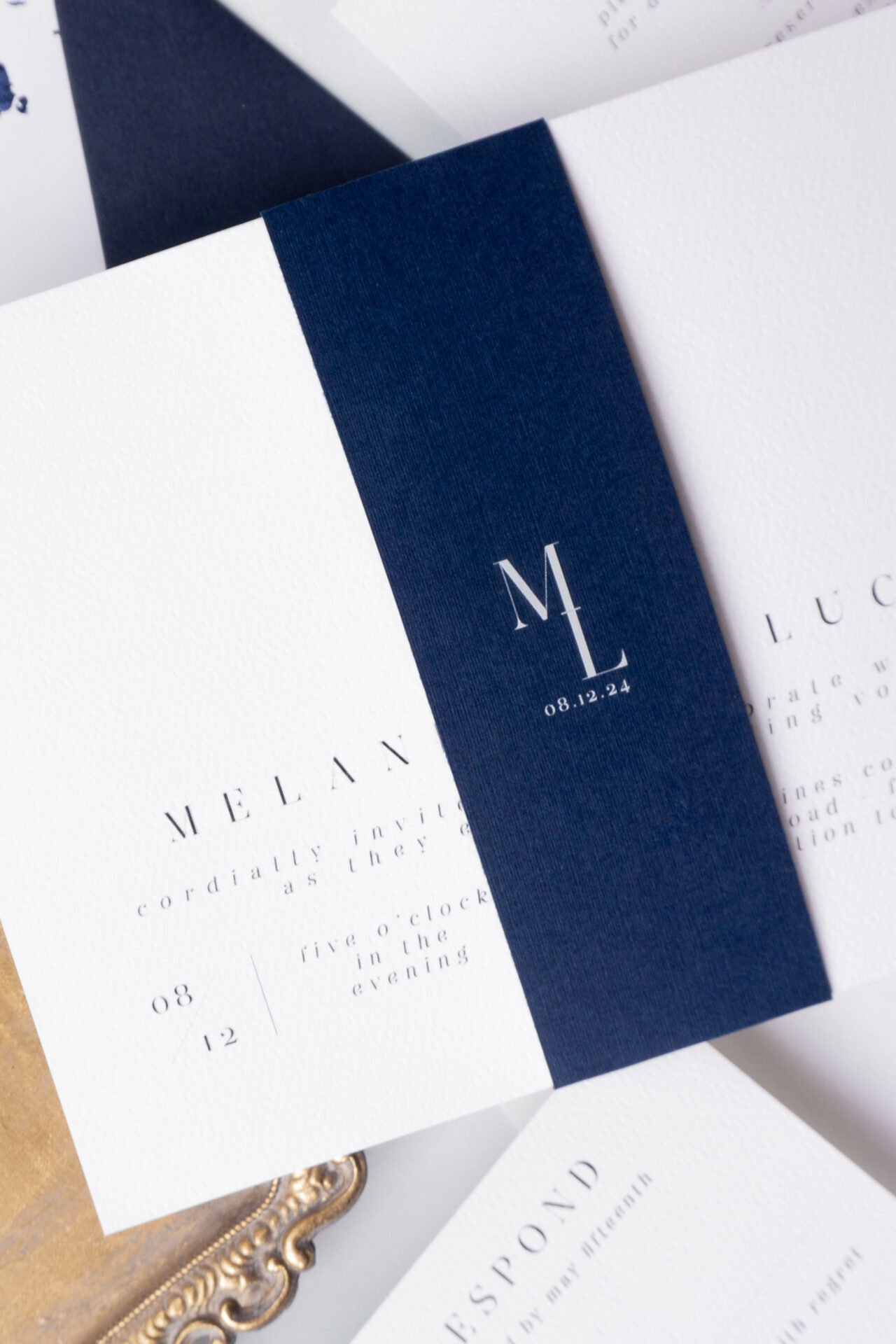
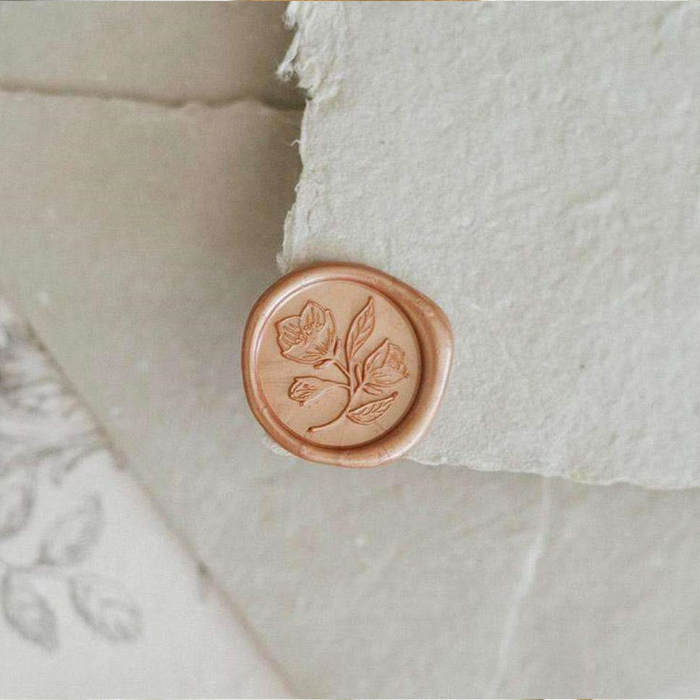
Closures can hold the suite together while also contributing to the visual direction. Ribbon creates softness and movement and may be tied, wrapped or used as a simple band. A paper belly band gives the suite a cleaner, more structured presentation and can carry wording, a monogram or a small tag. Wax seals introduce color, texture and a traditional sense of occasion. These elements can be used individually or combined, but their thickness and placement should be considered before the final envelope and postage are selected.

envelopes and other finishing touches
Closures can hold the suite together while also contributing to the visual direction. Ribbon creates softness and movement and may be tied, wrapped or used as a simple band. A paper belly band gives the suite a cleaner, more structured presentation and can carry wording, a monogram or a small tag. Wax seals introduce color, texture and a traditional sense of occasion. These elements can be used individually or combined, but their thickness and placement should be considered before the final envelope and postage are selected.


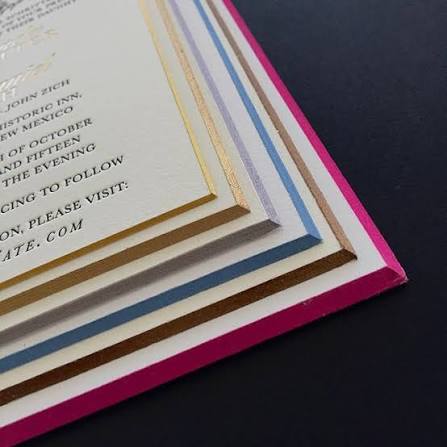
cThe envelope is the first part of the invitation your guests see. Paper color, flap shape, liner, return address, guest addressing and postage all contribute to the presentation before the suite is opened.
The envelope is the first part of the invitation your guests see. Paper color, flap shape, liner, return address, guest addressing and postage all contribute to the presentation before the suite is opened.
Guest addresses may be printed in a style that coordinates with the invitation. Dark envelopes may require white or another light ink for legibility and can require special postal handling. Return addressing may be printed on the back flap, and response envelopes can be coordinated with the main mailing envelope.